




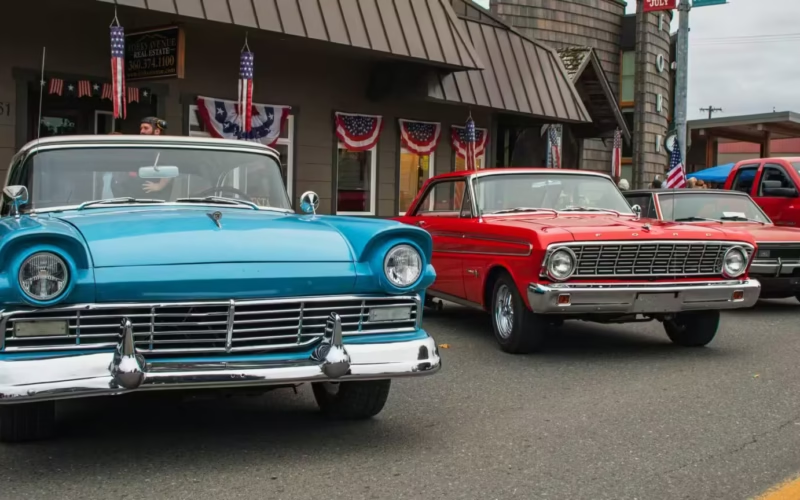

The Current State of the Car Market in 2025
The car market in 2025 has seen a dynamic shift. Classic cars have gained more attention from collectors and investors. Rising demand and limited supply have pushed values higher. Economic trends, government policies, and buyer preferences continue to influence the market. Additionally, the resurgence of car auctions and private sales has provided more avenues for enthusiasts to trade rare vehicles. Online marketplaces are also playing a significant role in shaping buyer behavior. Global trade policies have also impacted the import and export of classic cars, making certain models more valuable. With digitalization, buyers now have access to extensive historical data and valuation tools.
Why Classic Cars Are a Smart Investment
Classic cars have become more than just collector’s items. Many investors see them as a hedge against inflation. Unlike modern vehicles, they appreciate over time. The car market for classics has remained strong despite economic fluctuations. Rare models from the 1960s and 1970s have seen the highest value increases. The limited production numbers and the nostalgia factor contribute significantly to their demand. Car restoration has also gained traction, increasing the value of well-maintained and authentically restored models. With rising disposable income, more people are entering the market to own a piece of automotive history. Some financial institutions are now offering loans specifically for classic car purchases.
Factors Driving Classic Car Prices
Several factors have contributed to the price surge in the classic car market:
- Scarcity – Limited production models are always in demand.
- Condition – Restored vehicles fetch higher prices.
- Brand Legacy – Brands like Ferrari, Porsche, and Aston Martin dominate.
- Nostalgia Factor – Buyers love cars linked to their youth.
- Historical Significance – Vehicles with a unique past or racing heritage tend to have higher value.
- Media Influence – Cars featured in popular movies, TV shows, or celebrity ownership history can see a sharp rise in value.
- Customization and Originality – Vehicles with original factory parts and rare specifications attract premium prices.
- Market Demand – Emerging markets, particularly in Asia and the Middle East, are driving new interest in classic cars.
The Impact of Electric Vehicles on the Classic Car Market
The rise of electric vehicles (EVs) has affected the classic car market. Governments worldwide have introduced stricter emission regulations. Some regions offer incentives for EV adoption. However, the love for vintage petrol-powered cars remains strong. Many buyers now seek sustainable ways to keep their classic vehicles roadworthy. Conversions of classic cars to electric drivetrains are becoming a trend, ensuring these vehicles stay relevant. While purists oppose this transformation, younger collectors appreciate the fusion of classic aesthetics with modern efficiency. Some manufacturers are also producing electric versions of their classic models. As fuel prices fluctuate, collectors are looking for alternative ways to enjoy their vintage cars without regulatory hurdles.
Market Trends: What’s Hot and What’s Not
Collectors are gravitating toward specific car categories in 2025. Here’s a look at what’s trending:
Most Valuable Classic Cars in 2025
- Ferrari 250 GTO – Continues to break records at auctions.
- Porsche 911 (Air-Cooled Models) – Demand remains steady.
- Lamborghini Countach – Iconic design keeps its value high.
- Shelby Cobra – A favorite among American muscle car fans.
- Jaguar E-Type – Continues to be a favorite among European collectors.
- Mercedes-Benz 300SL Gullwing – Classic luxury models are gaining traction.
- Dodge Charger R/T – Muscle cars are still holding strong in the U.S. market.
- Aston Martin DB5 – James Bond nostalgia keeps this car in high demand.
Overlooked Classics with Rising Potential
- BMW E30 M3 – Prices are climbing due to limited stock.
- Toyota Supra (MK4) – Gaining popularity in investment circles.
- Mazda RX-7 FD – A sleeper hit in the classic car market.
- Ford Escort RS Cosworth – Rally legends are making a comeback.
- Chevrolet Impala SS (1960s) – Becoming a sought-after classic in North America.
- Nissan Skyline R32 GTR – JDM classics are witnessing a global demand surge.
- Alfa Romeo Spider – European roadsters are seeing renewed interest.
- Pontiac Firebird Trans Am – Popular among muscle car enthusiasts.
Challenges in the Classic Car Market
While the classic car market remains lucrative, it faces some challenges:
- High Maintenance Costs – Restoring vintage models can be expensive.
- Regulatory Restrictions – Some cities are restricting older cars due to emissions.
- Market Volatility – Prices fluctuate based on demand trends.
- Availability of Parts – Sourcing original components is becoming harder.
- Insurance Costs – Premiums for classic cars have risen in recent years.
- Counterfeit Parts and Fraud – Buyers need to be wary of fake restorations.
- Storage and Preservation – Proper facilities are needed to maintain car value.
- Changing Consumer Preferences – The younger generation may have different priorities for vehicle ownership.
How to Buy Classic Cars in 2025
If you’re looking to invest, follow these key steps:
- Research Market Trends – Stay updated on price movements.
- Inspect Vehicle History – Avoid cars with hidden damages.
- Consider Future Appreciation – Look for undervalued models.
- Verify Authenticity – Ensure all original parts are intact.
- Work with Trusted Dealers – Avoid fraudulent transactions.
- Understand Restoration Costs – Budget for any needed repairs.
- Attend Auctions – Some of the best deals are found at classic car auctions.
- Consult Experts – Seek professional opinions before making a purchase.
- Look for Limited Edition Models – These tend to appreciate faster.
- Consider Insurance and Maintenance Costs – These can impact your overall investment return.
The Role of Technology in Classic Car Valuation
Technology is revolutionizing the way classic cars are valued. Digital platforms provide instant access to historical sales data, market trends, and vehicle authenticity verification. Blockchain technology is also being used to secure vehicle history records, ensuring transparency. AI-driven pricing models help investors make informed decisions based on real-time data. Virtual reality (VR) and augmented reality (AR) are being used to simulate car restorations, giving buyers a clear vision of potential investments.
The Future of the Classic Car Market
As demand continues to rise, the classic car market is expected to remain a strong investment avenue. New generations of collectors are entering the scene, bringing fresh perspectives. Online auctions and digital sales platforms are making it easier for global buyers to participate. Sustainable restoration techniques will play a crucial role in keeping vintage cars relevant. While economic fluctuations may impact short-term prices, long-term trends point to continued growth.
What’s Next for the Classic Car Market?
The car market in 2025 remains promising for collectors and investors. Demand continues to rise, especially for rare and well-maintained models. As regulations change, buyers will seek sustainable solutions to preserve classic cars. For now, investing in vintage cars remains a profitable venture. With increasing global interest, the market is set for more record-breaking sales. Digital platforms are making transactions easier and more transparent. As a result, the classic car market is likely to remain a strong and attractive investment option for years to come.
Explore more blogs about cars.