





The Silent Crisis: Suicide Among Australian Male Farmers
Rural Australia, with its expansive landscapes, is the backbone of the country’s economy and culture. Yet, behind the picturesque scenes of fields and livestock lies an alarming issue often ignored by society: suicide among Australian male farmers. This silent crisis, driven by a combination of financial stress, social isolation, and mental health challenges, is claiming lives at an alarming rate. It’s a pressing concern that warrants immediate attention to save lives and secure the future of rural Australia.
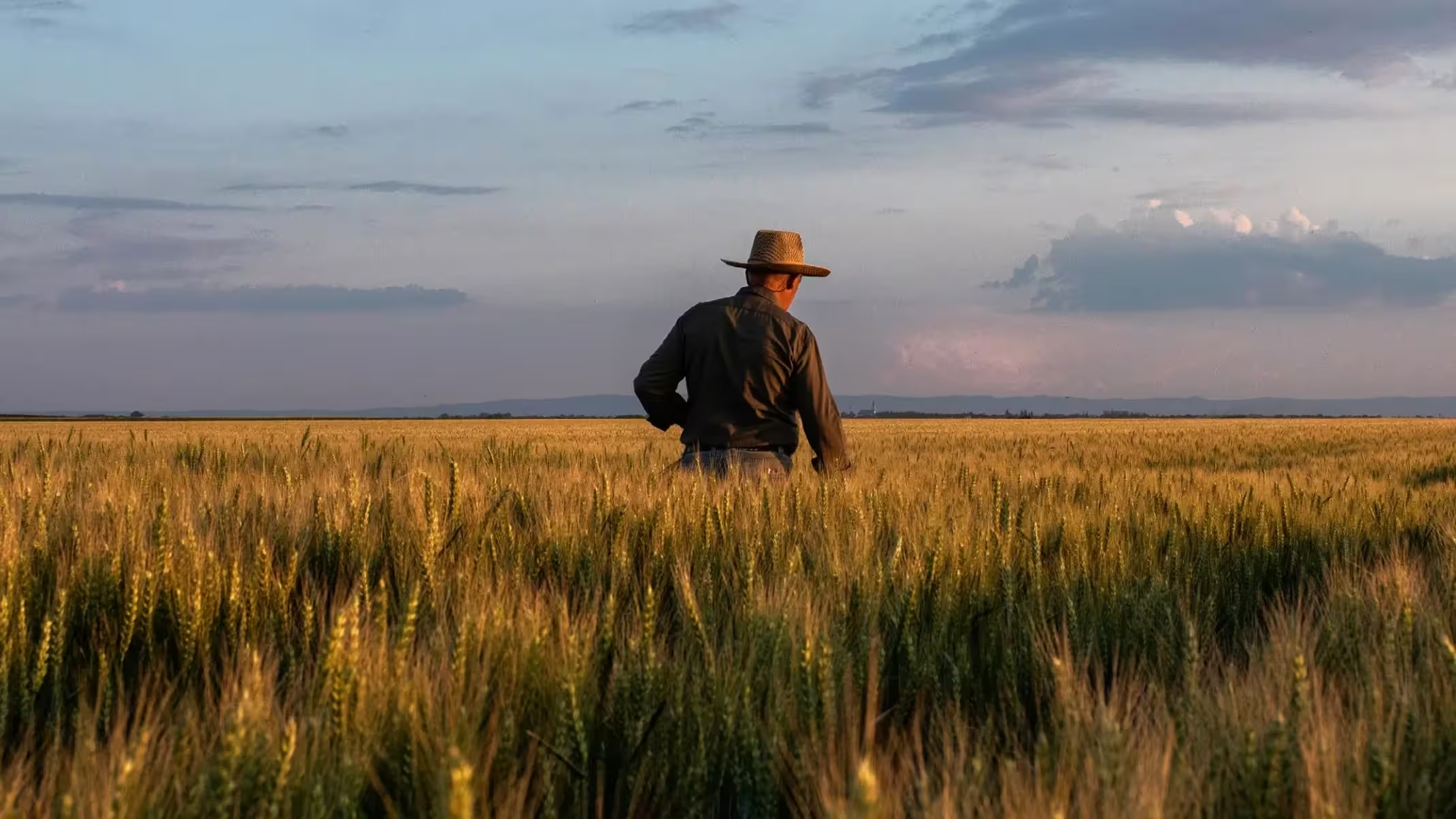
Rural Australia, with its expansive landscapes, is the backbone of the country’s economy and culture. Yet, behind the picturesque scenes of fields and livestock lies an alarming issue often ignored by society: suicide among Australian male farmers. This silent crisis, driven by a combination of financial stress, social isolation, and mental health challenges, is claiming lives at an alarming rate. It’s a pressing concern that warrants immediate attention to save lives and secure the future of rural Australia.
Understanding Suicide Among Australian Male Farmers
Suicide rates among male farmers in Australia are among the highest in the country. According to data from the Australian Bureau of Statistics, rural men are disproportionately represented in suicide statistics compared to their urban counterparts. Farming communities, particularly men, face unique challenges that exacerbate their risk of mental health issues, leading to tragic outcomes.
These challenges are compounded by the stigma around mental health, which discourages many farmers from seeking help. Furthermore, the perception of farmers as resilient individuals, often bearing the weight of generational expectations, makes it harder for them to openly express vulnerability.
The Role of Isolation in Mental Health Struggles
Isolation is one of the key factors contributing to the crisis. Australian farms are often located in remote areas, far from urban centers and support networks. Farmers can go days or even weeks without meaningful human interaction outside their immediate families. This geographic isolation is further exacerbated by digital exclusion in some regions, where limited internet access hinders communication and access to online mental health resources.
Social isolation not only affects mental health but also limits the chances for farmers to share their struggles, making them more susceptible to feelings of hopelessness and despair.
Financial Pressure: The Weight of Uncertainty
Farming is an unpredictable profession, heavily reliant on external factors like weather, global commodity prices, and government policies. Droughts, floods, and bushfires—unfortunately common in Australia—can devastate farms, wiping out years of hard work in a matter of days.
The financial pressure on male farmers is immense. Many carry significant debt burdens to maintain equipment, livestock, and land. When crops fail or natural disasters strike, the financial fallout can be catastrophic, leaving farmers unable to provide for their families. For many, the shame of perceived failure and the inability to meet obligations pushes them toward the edge.
Cultural Expectations and Gender Norms
Australian male farmers often find themselves trapped by traditional gender norms. The culture of stoicism in farming communities demands that men remain strong, self-reliant, and unflinching in the face of adversity. Asking for help is often seen as a sign of weakness, further reinforcing harmful stereotypes.
This expectation to “tough it out” discourages many male farmers from reaching out for support, even when they desperately need it. The result is a cycle of suppressed emotions, growing mental health issues, and, tragically, suicide.
Climate Change: An Unseen Stressor
Climate change is emerging as a silent contributor to mental health struggles among Australian male farmers. Prolonged droughts, shifting weather patterns, and unpredictable rainfall have placed unprecedented stress on agriculture. Many farmers are experiencing firsthand the devastating effects of climate change, which threaten the viability of their livelihoods.
This uncertainty weighs heavily on farmers, compounding existing stressors. The emotional toll of witnessing their hard work undone by forces beyond their control is often more than many can bear.
Breaking the Stigma Around Mental Health
One of the biggest barriers to addressing suicide among Australian male farmers is the stigma surrounding mental health. In rural communities, mental health discussions are often taboo, and seeking help is rarely encouraged. This stigma prevents many farmers from acknowledging their struggles or accessing professional support.
Breaking this stigma requires a cultural shift in how mental health is perceived in farming communities. Encouraging open conversations and fostering supportive environments can go a long way in reducing the isolation and shame associated with mental health issues.
The Role of Rural Support Networks
Community support networks play a crucial role in combating the mental health crisis in rural areas. Initiatives like community gatherings, farmer support groups, and rural outreach programs can provide farmers with much-needed opportunities to connect and share their experiences. These networks can act as lifelines, offering both emotional support and practical resources to those in need.
Government Policies and Initiatives
The Australian government has taken steps to address the mental health crisis in rural areas. Programs like the Rural Financial Counselling Service and the National Centre for Farmer Health aim to provide targeted support to farming communities. However, more needs to be done to address the root causes of the crisis.
Increased funding for mental health services, better access to telehealth options, and policies to support farmers during times of financial distress are essential. Government-backed mental health campaigns tailored to rural audiences can also help reduce stigma and encourage help-seeking behavior.
The Importance of Peer Support
Sometimes, the best support comes from those who truly understand what you’re going through. Peer support programs, where farmers are trained to provide mental health support to their peers, have proven to be effective in breaking down barriers. These programs create safe spaces for farmers to talk openly about their struggles without fear of judgment or stigma.
Educating the Next Generation of Farmers
Education is a powerful tool in addressing the mental health crisis among male farmers. Teaching the next generation of farmers about mental health, resilience, and self-care can help break the cycle of stigma and silence. Schools and agricultural colleges can play a key role in equipping young farmers with the knowledge and skills they need to prioritize their mental well-being.
Community-Led Mental Health Programs
Grassroots initiatives driven by local communities are often the most effective in addressing mental health issues. Programs tailored to the specific needs of farming communities can have a significant impact, as they are more likely to resonate with local populations. Examples include mental health workshops, suicide prevention training, and awareness campaigns led by local leaders.
The Role of Technology in Bridging the Gap
Technology can be a powerful tool in addressing the challenges faced by Australian male farmers. Telehealth services, mental health apps, and online support groups can provide farmers with access to help, regardless of their location. Improving internet connectivity in rural areas is a critical step toward making these resources accessible to all.
A Holistic Approach to Mental Health
Addressing suicide among Australian male farmers requires a holistic approach that considers the interconnected factors contributing to the crisis. This includes tackling financial stress, improving access to healthcare, and promoting social connectedness. Collaborative efforts between government, community organizations, and farmers themselves are essential to creating meaningful change.
Encouraging Open Conversations
One of the simplest yet most powerful ways to combat the mental health crisis is by encouraging open conversations. Normalizing discussions about mental health can help break down stigma and make it easier for farmers to seek help. Campaigns like R U OK? Day has shown how impactful a simple conversation can be.
Suicide Among Australian Male Farmers
The statistics around suicide among Australian male farmers are sobering, but they should serve as a call to action rather than a source of despair. Every life lost represents not just a personal tragedy but also a significant loss to families, communities, and the agricultural industry as a whole. By addressing the root causes of this crisis and fostering a culture of support and understanding, we can help turn the tide.
FAQs
What are the main causes of suicide among Australian male farmers?
The main causes include financial stress, social isolation, stigma around mental health, and the pressures of climate change.
Why is the suicide rate higher among male farmers than in urban areas?
Rural farmers face unique challenges such as geographic isolation, limited access to resources, and cultural expectations of stoicism.
How can we support male farmers struggling with mental health issues?
Support can come in the form of community networks, peer programs, mental health education, and access to professional services.
What role does climate change play in the mental health of farmers?
Climate change exacerbates stress by threatening crop viability and adding financial uncertainty, which significantly impacts mental well-being.
What government programs are available to help farmers?
Programs like the Rural Financial Counselling Service and the National Centre for Farmer Health provide financial and mental health support.
How can we break the stigma around mental health in rural communities?
Encouraging open conversations, promoting mental health awareness, and creating safe spaces for dialogue are crucial steps.
Conclusion
The silent crisis of suicide among Australian male farmers is a complex issue that requires immediate and collective action. By addressing the cultural, financial, and social challenges facing rural men, we can create a supportive environment that prioritizes mental health. Together, as a society, we must break the stigma, foster connection, and ensure that no farmer feels alone in their struggles.au