



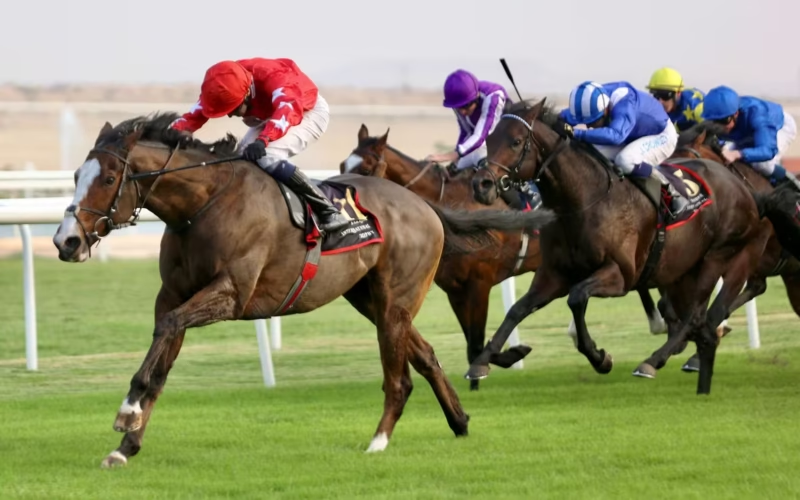

The racing thoroughbred market is dynamic and ever-evolving. Investors and enthusiasts need a deep understanding of trends to make informed decisions. This racing thoroughbred market analysis provides insights into pricing, breeding, and industry growth.
The Current State of the Racing Thoroughbred Market
Rising Demand for Elite Thoroughbreds
High-performing thoroughbreds continue to command premium prices. Buyers prioritize proven pedigrees and records. The demand for these horses fuels competitive bidding at auctions.
Impact of Globalization on the Market
Global participation has reshaped the industry. Buyers and sellers now operate on a worldwide scale. Major sales events attract international investors, increasing diversity in ownership.
Key Drivers of Market Growth
Pedigree Performance:
Horses from winning bloodlines remain highly sought after.
Technological Advancements:
Better veterinary care and genetic testing improve breeding success.
Economic Recovery:
Rising incomes have encouraged greater spending on luxury investments.
Trends Influencing the Market
Increase in Yearling Sales
Yearlings dominate the market due to their potential for high returns. Sales events like Magic Millions Yearling Sale highlight this trend. Buyers view these horses as long-term investments.
Digital Auctions and Online Platforms
The shift toward digital platforms has transformed sales processes. Buyers can now access thoroughbreds globally, reducing geographic barriers. Online auctions have also made participation more accessible.
Syndication is reshaping ownership models. It allows smaller investors to own stakes in premium horses. This trend expands market participation and increases competition for top thoroughbreds.
Investment Opportunities in the Thoroughbred Market
Breeding Prospects
Breeding remains a lucrative avenue. Owners with top-performing mares and stallions enjoy steady returns. Strategic breeding decisions can lead to valuable progeny.
Emerging Markets
Countries like Australia are gaining prominence in the racing industry. Australian breeders consistently produce world-class thoroughbreds. This has attracted international interest in local sales.
Partnerships and Syndicates
Collaborative ownership models lower financial risks. Investors now seek partnerships to diversify portfolios. Syndicates also increase the pool of resources available for high-quality acquisitions.
Challenges Facing the Racing Thoroughbred Market
Rising Costs of Ownership
Owning a thoroughbred requires significant financial commitment. Costs include training, veterinary care, and travel expenses. These factors deter some potential investors.
Unpredictable Economic Factors
Economic downturns impact spending in luxury markets, including thoroughbreds. Investors must consider market volatility when planning long-term strategies.
Ethical and Regulatory Concerns
Concerns about animal welfare and ethical breeding practices affect public perception. Stricter regulations may alter how the industry operates in the future.
The Future of the Racing Thoroughbred Market
The industry is poised for further growth, driven by innovation and investment. Digital tools and advanced breeding techniques will likely dominate. Markets like Australia will continue to thrive, setting global benchmarks.
Conclusion
This racing thoroughbred market analysis highlights current trends and challenges shaping the industry. For buyers and investors, understanding these dynamics is essential. As the market evolves, opportunities abound for those willing to adapt and innovate.
Explore more blogs about racing.